
Before and After
A Personal Case Experience: Clavicle Fracture Recovery (2012)
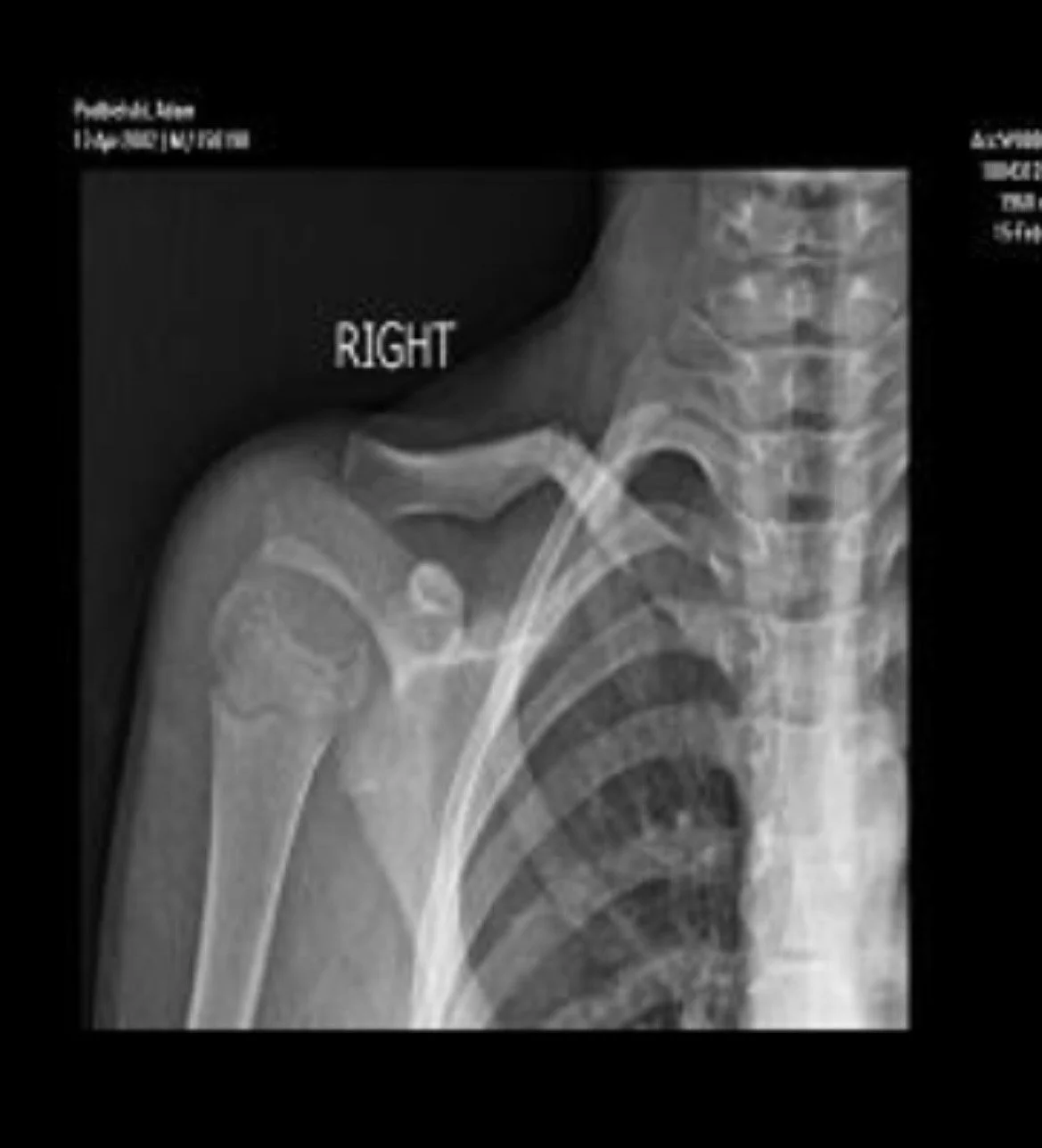
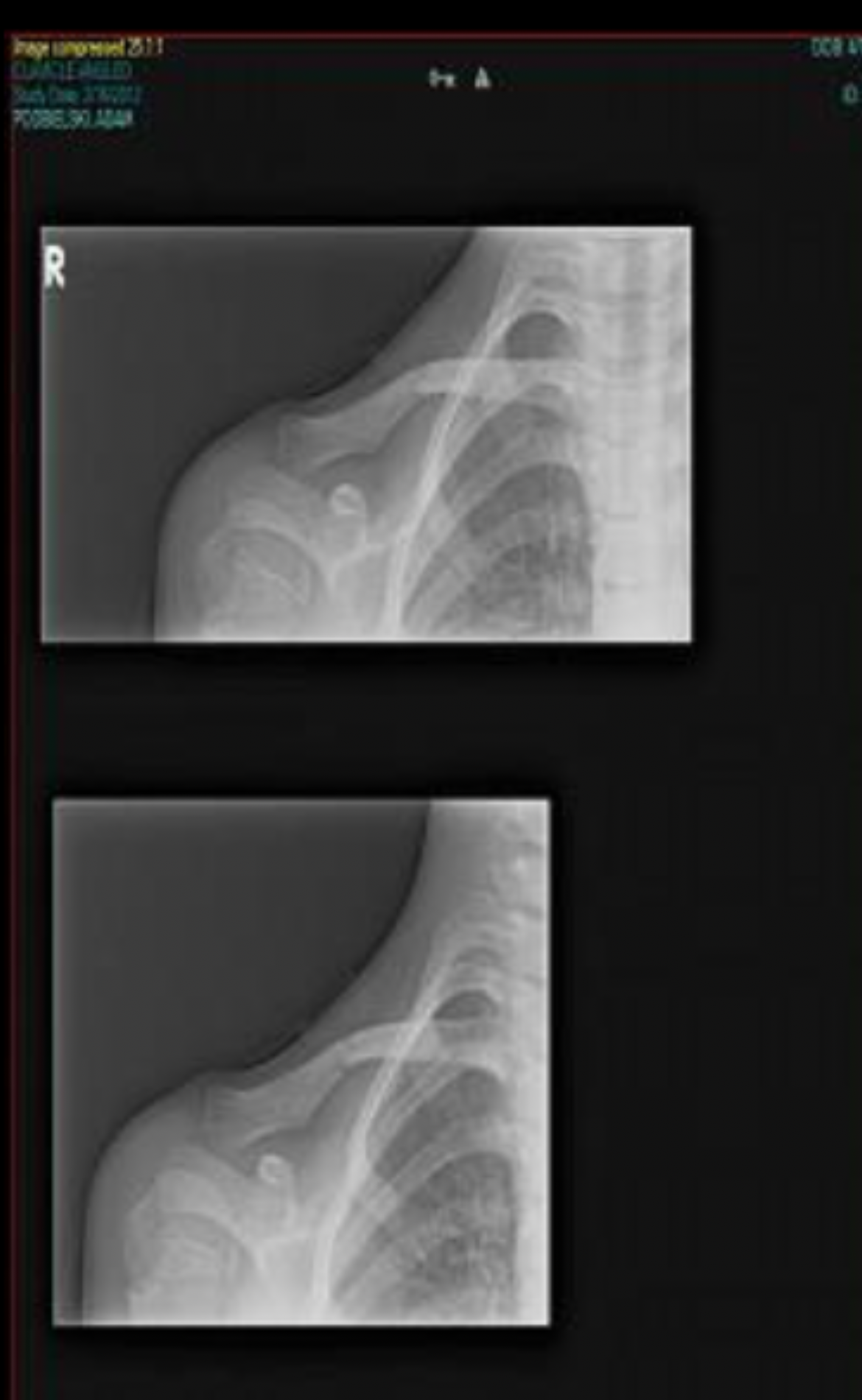
Picture of fractured clavicle before MFR
Picture of fractured clavicle after MFR
In 2012, my son, Adam, sustained a fractured clavicle during a karate class. He was evaluated in the emergency department, where X-rays confirmed the fracture. He received standard medical care, including immobilization with a sling, pain medication, and discharge instructions indicating that the fracture would heal over the coming weeks. We were also advised that some residual deformity of the clavicle might remain.
After returning home, I performed very gentle myofascial release (MFR) techniques focused on his neck and shoulder, using indirect, non-forceful methods. Following the session, Adam reported a significant decrease in pain and was able to sleep comfortably through the night.
The following day, we consulted an orthopedic specialist, who obtained repeat X-rays. Compared with the initial images, the alignment of the fractured clavicle appeared substantially improved. The orthopedist commented that the change was unexpected over such a short period and remarked that, at times, the body's natural healing processes can produce surprising results.
This experience reinforced my appreciation for the body's remarkable capacity to heal. While this is a single case and does not establish that myofascial release caused the change in fracture alignment, it illustrates why I value MFR as a complementary therapy. In my practice, myofascial release is used to help support comfort, mobility, and the body's natural healing processes alongside appropriate medical evaluation and treatment—it is not a substitute for conventional medical care.
The X-rays below document this individual case and illustrate the changes observed over the first 16 hours following the injury.
Clavicle Fracture Following a Skiing Accident
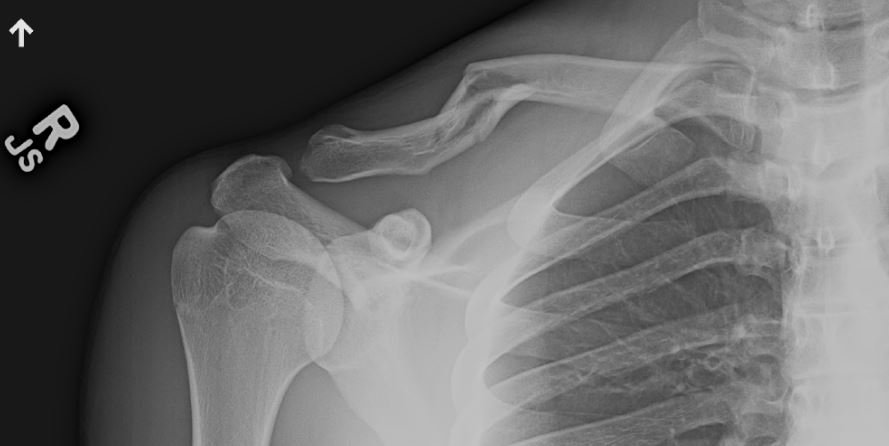
Picture of fractured clavicle before MFR
A 16-year-old male sustained a right clavicle fracture while skiing in Colorado. He was evaluated in a local emergency department, where X-rays confirmed the fracture. Based on the initial imaging, surgical fixation with pins was recommended.
A 16-year-old male sustained a right clavicle fracture while skiing in Colorado. He was evaluated in a local emergency department, where X-rays confirmed the fracture. Based on the initial imaging, surgical fixation with pins was recommended.
The following day, after returning home, his family asked me to provide a myofascial release (MFR) session to help address his pain and discomfort. Using gentle, indirect MFR techniques and allowing for spontaneous unwinding, the treatment focused on supporting comfort and reducing protective muscle tension. Following the session, he reported significantly less pain and was able to sleep more comfortably that night.
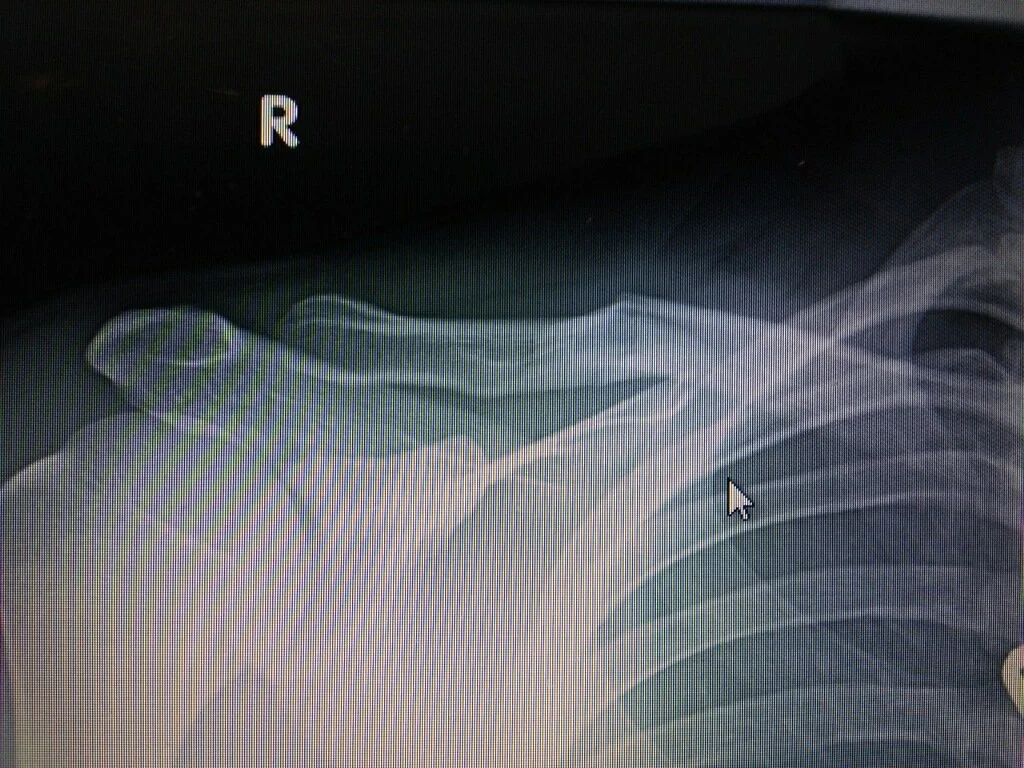
The next morning, he was evaluated by a local orthopedic surgeon, who obtained repeat X-rays. After reviewing the new imaging and examining the patient, the orthopedic specialist recommended conservative management with immobilization and rest rather than surgical intervention.
This case serves as an example of the body's remarkable capacity for healing. While this individual experience does not establish that myofascial release changed the fracture or altered the treatment decision, it illustrates how MFR may help support comfort, relaxation, and the body's natural healing processes when used as a complementary therapy alongside appropriate medical care.
Picture of fractured clavicle after MFR
Patellar Tendon Injury
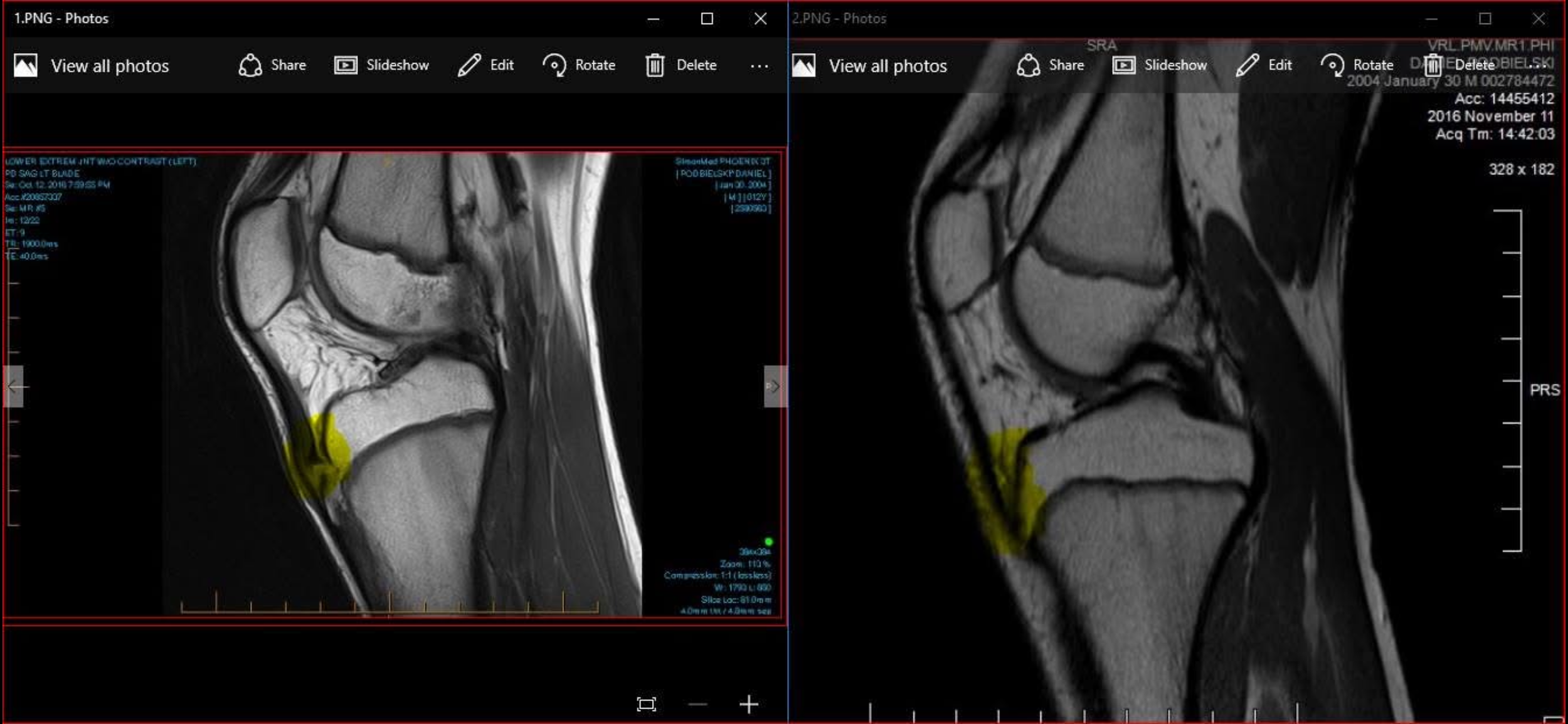
Success Story: Back to the Soccer Field
“At just 12 years old, soccer was everything to me. So when I suffered a high-grade partial tear of my left patellar tendon, I was heartbroken. Simple activities like walking, sitting, running, and jumping became painful, and an MRI confirmed the severity of the injury. I spent five weeks in a locked knee brace on crutches, unable to bend my knee.
Throughout my recovery, my dad—a physical therapist trained in John Barnes' Myofascial Release®—provided consistent, hands-on care using a combination of gentle physical therapy and Myofascial Release techniques. Even while my knee was immobilized, treatment focused on supporting my body's natural healing process and reducing pain.
As the weeks went by, my tendon healed, my pain resolved, and I was able to transition out of the brace. Under close supervision, I gradually regained strength, mobility, and confidence. Best of all, I was cleared to return to soccer without injections or surgery.” -Daniel Podbielski
Scoliosis and Myofascial Release

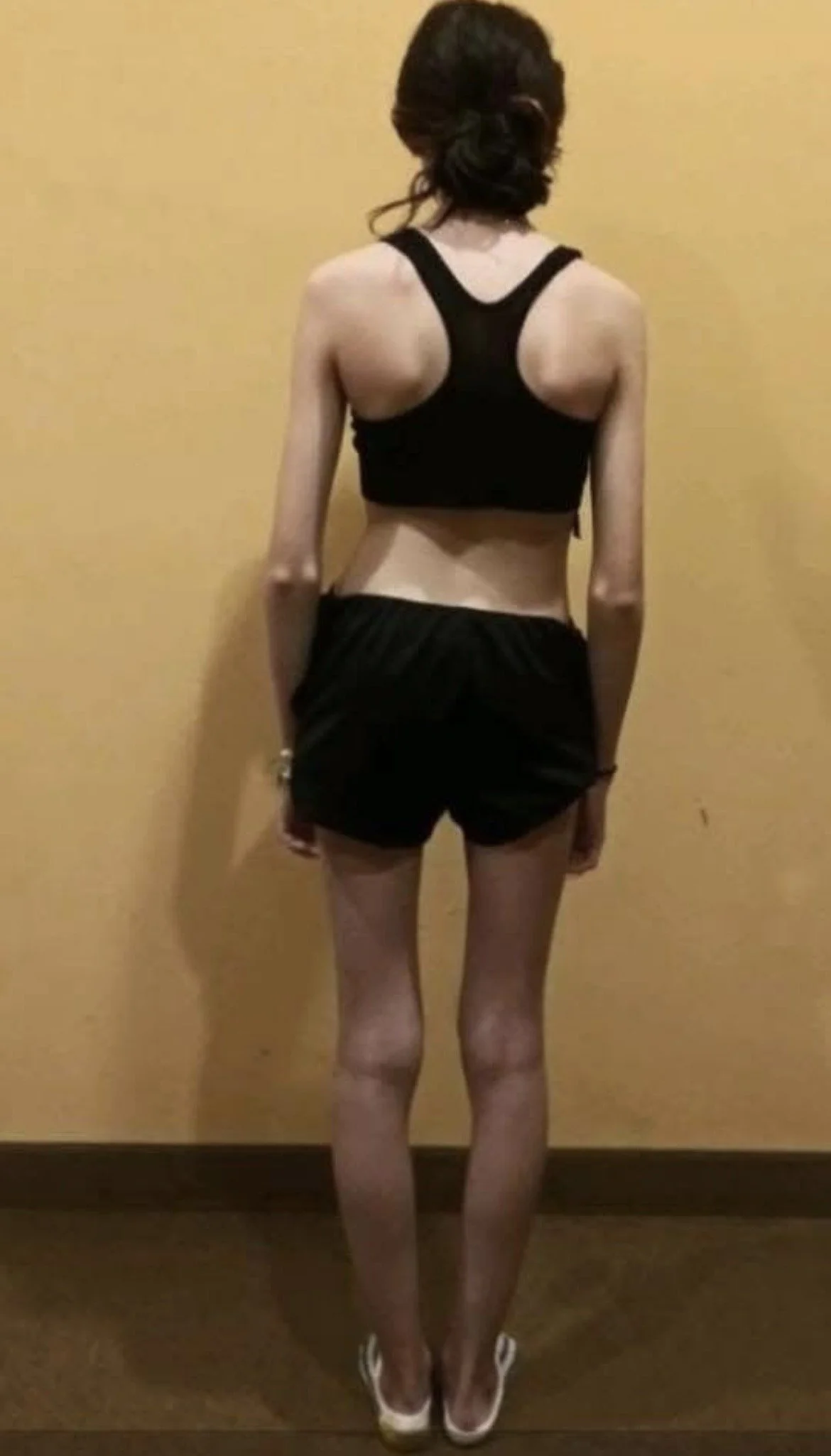
Many people think of scoliosis as only a structural condition. While the shape of the spine is important, the body is also influenced by the fascial system—a three-dimensional network of connective tissue that surrounds and supports muscles, bones, nerves, and organs.
Restrictions within the fascia can contribute to postural imbalances, limited mobility, pain, and compensatory movement patterns. By addressing these restrictions, John F. Barnes Myofascial Release® can help improve alignment, mobility, breathing mechanics, and overall function.
One of my young patients was referred for an orthopedic consultation because surgery was being considered. After six Myofascial Release sessions over two weeks, she and her family noticed significant improvements in her posture and movement. The before-and-after photos reflect the positive changes achieved through treatment.
Every person is unique, and results vary. While some individuals with scoliosis require bracing or surgery, conservative treatment such as Myofascial Release may be an effective part of a comprehensive care plan. My goal is to evaluate each patient individually and provide gentle, hands-on treatment that helps restore balance, reduce restrictions, and support the body's natural ability to move more freely.
From Limitations to Possibilities
The videos below feature one of our clients, who was evaluated and treated by Peter Podbielski, PT, DPT, and by Melissa Jones, PTA, at our clinic.
She came to us after being diagnosed with “multiple sclerosis”, facing significant physical challenges and believing that a wheelchair might be her only option for the future. While multiple sclerosis is a complex neurological condition and individual results vary, her progress has been truly inspiring.
No words can fully express the joy and renewed hope reflected in her transformation. We invite you to watch the before-and-after videos documenting her progress through a treatment program that included John F. Barnes Myofascial Release (MFR) and functional physical therapy. Her journey highlights the remarkable potential that can be achieved through skilled, individualized care, dedication, and perseverance.
The client provided permission for these videos to be shared. Individual results vary and outcomes cannot be guaranteed.
A Three-Year-Old’s Journey with Congenital Torticollis
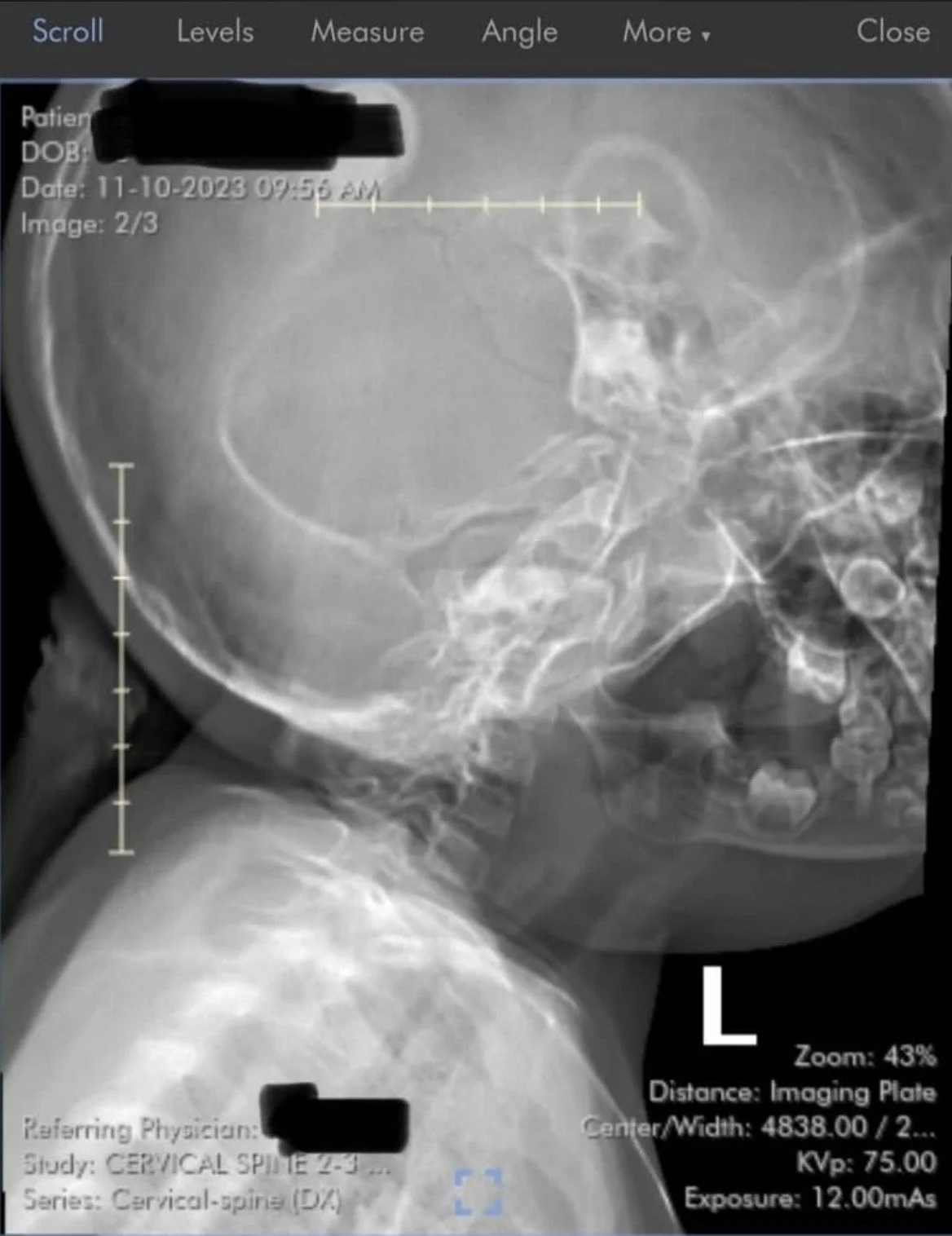
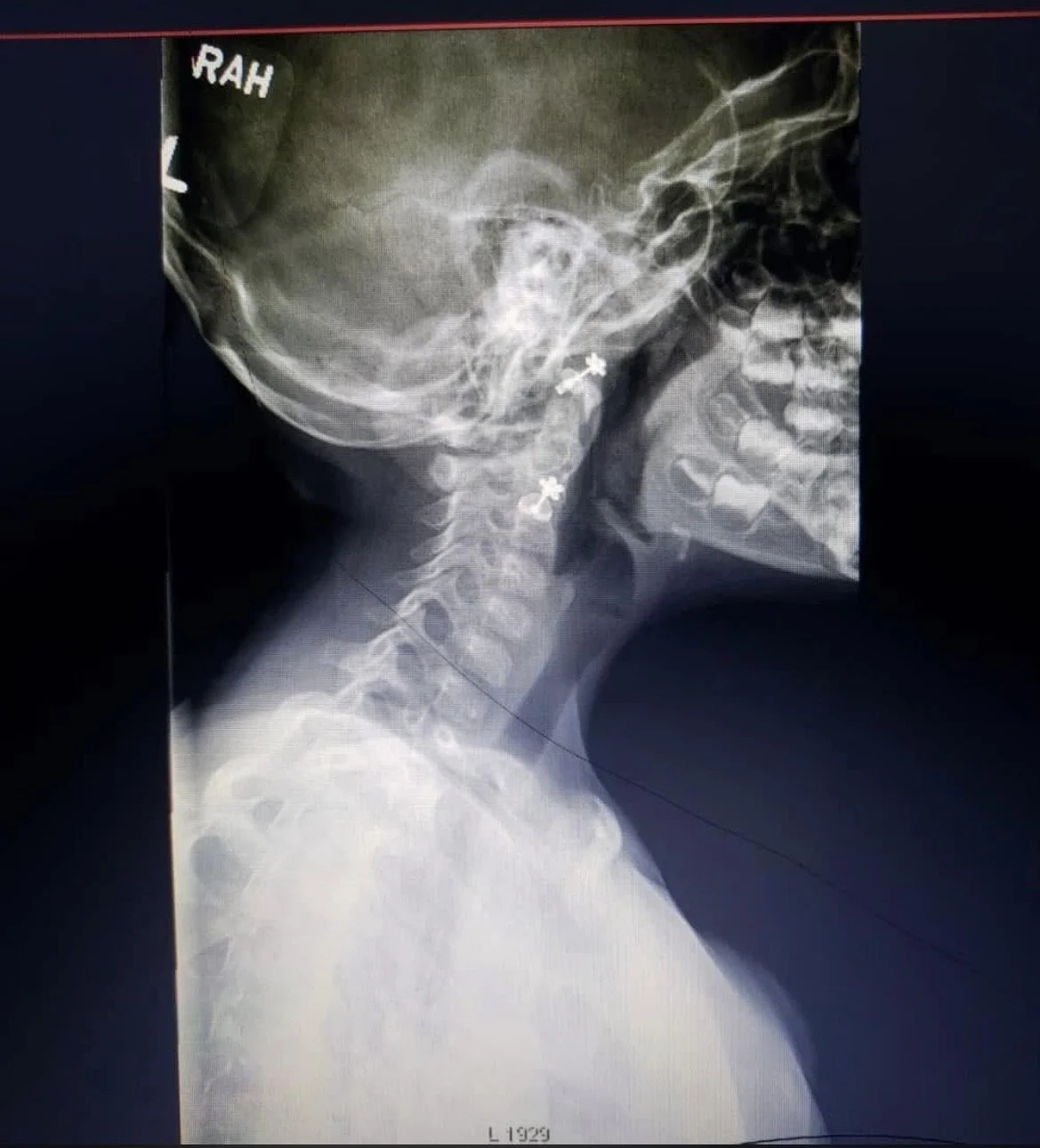
When this three-year-old girl first came to our clinic, her father carried her into the treatment room. She was frightened, cried throughout the visit, and clung tightly to him, refusing to let anyone touch or even approach her.
She had been diagnosed with right-sided congenital torticollis. After multiple physical therapy sessions, cranial treatments, and specialist consultations without improvement, Botox injections and possible surgery to lengthen the sternocleidomastoid (SCM) muscle were recommended.
Instead, her family chose to continue with John F. Barnes Myofascial Release® (MFR). Through gentle, sustained treatment and by allowing trust to develop at her own pace, she gradually regained mobility and confidence.
Today, she no longer clings to her father. She is a beautiful reminder that healing begins with trust.